
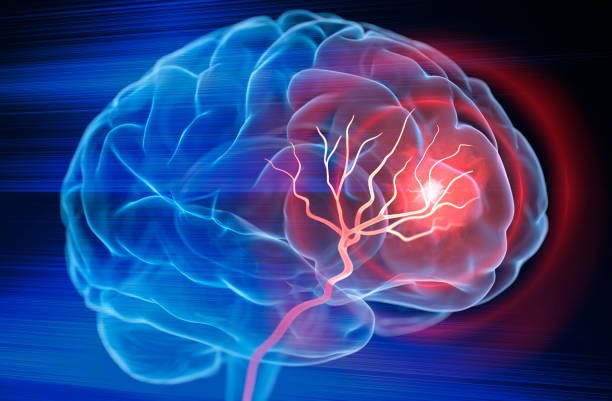
A brain stroke, also known as a cerebrovascular accident (CVA), occurs when the blood supply to a part of the brain is interrupted or reduced, preventing brain tissue from getting oxygen and nutrients. This medical emergency can lead to brain damage and can significantly impact a person's life. Understanding the types, causes, symptoms, and treatment options is crucial for prevention and timely intervention.
Types of Brain Stroke:
Ischemic Stroke: This is the most common type, accounting for about 87% of strokes. It occurs when a blood clot blocks a blood vessel supplying blood to the brain.
Hemorrhagic Stroke: This type occurs when a blood vessel in the brain bursts, leading to bleeding in or around the brain. It can be caused by high blood pressure, aneurysms, or arteriovenous malformations.
Symptoms to Watch For:
Recognizing the symptoms of a stroke is vital for early treatment. Common signs include:
Sudden numbness or weakness in the face, arm, or leg, particularly on one side of the body.
Confusion or trouble speaking or understanding speech.
Difficulty seeing in one or both eyes.
Trouble walking, dizziness, loss of balance, or coordination.
Prevention and Treatment:
Preventive measures include controlling risk factors such as hypertension, diabetes, and high cholesterol through lifestyle changes like a healthy diet, regular exercise, and avoiding tobacco use. Medications, such as blood thinners, may be prescribed to prevent strokes in high-risk individuals.
Treatment for a stroke depends on its type. Ischemic strokes may be treated with clot-busting drugs or mechanical thrombectomy, while hemorrhagic strokes may require surgical intervention to repair blood vessels.
Conclusion:
Understanding brain stroke and its implications is crucial for everyone. At Siddhanta Hospital, we emphasize the importance of awareness and education to help prevent strokes and ensure timely treatment for those affected. If you or someone you know experiences stroke symptoms, seek medical attention immediately—every second counts!