
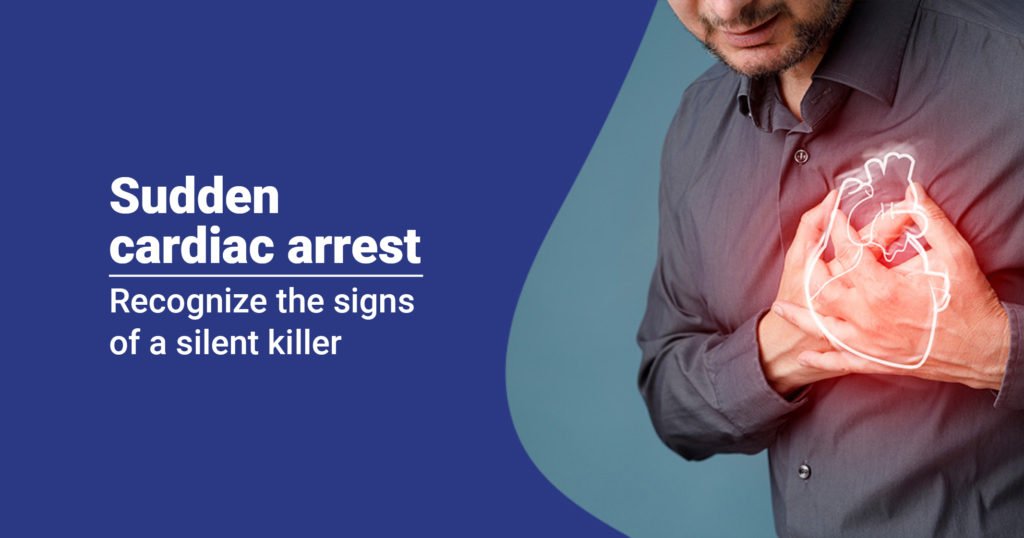
Sudden cardiac arrest (SCA) is a life-threatening emergency that occurs when the heart unexpectedly stops beating. When this happens, blood flow to the brain and other vital organs is abruptly cut off, leading to loss of consciousness and potentially death if not treated immediately. Unlike a heart attack, which is caused by blocked blood flow to the heart muscle, SCA is usually due to an electrical malfunction in the heart.
Causes of Sudden Cardiac Arrest:
SCA can occur in people with or without known heart disease. Common causes include:
Ventricular Fibrillation: A chaotic, rapid heart rhythm that disrupts the heart’s ability to pump blood effectively.
Coronary Artery Disease: Blockages in the heart's arteries can lead to a weakened heart muscle, increasing the risk of SCA.
Heart Attack: A previous heart attack can damage heart tissue, creating electrical disturbances that lead to SCA.
Genetic Conditions: Some people inherit heart conditions, such as Long QT syndrome or Brugada syndrome, that increase the risk of sudden cardiac events.
Symptoms of Sudden Cardiac Arrest:
SCA often strikes without warning, but in some cases, individuals may experience early signs, such as:
Sudden collapse or fainting.
No pulse or breathing.
Chest pain, shortness of breath, or palpitations leading up to the event.
Immediate Response:
SCA requires immediate medical intervention to prevent brain damage or death. The use of cardiopulmonary resuscitation (CPR) and automated external defibrillators (AEDs) can significantly improve survival chances. AEDs deliver a shock to restore the heart's normal rhythm, and every minute without treatment decreases survival rates by 10%.
Prevention and Treatment:
Preventive measures include managing risk factors such as high blood pressure, cholesterol, and obesity. For those at high risk, implantable cardioverter defibrillators (ICDs) can be used to monitor and correct abnormal heart rhythms.
Conclusion:
Sudden cardiac arrest can strike anyone, anywhere, at any time. Siddhanta Hospital encourages regular heart check-ups, especially for individuals with a family history of heart disease. Quick action in the face of SCA can save lives, so understanding the symptoms and learning CPR are vital steps toward protecting yourself and others.