
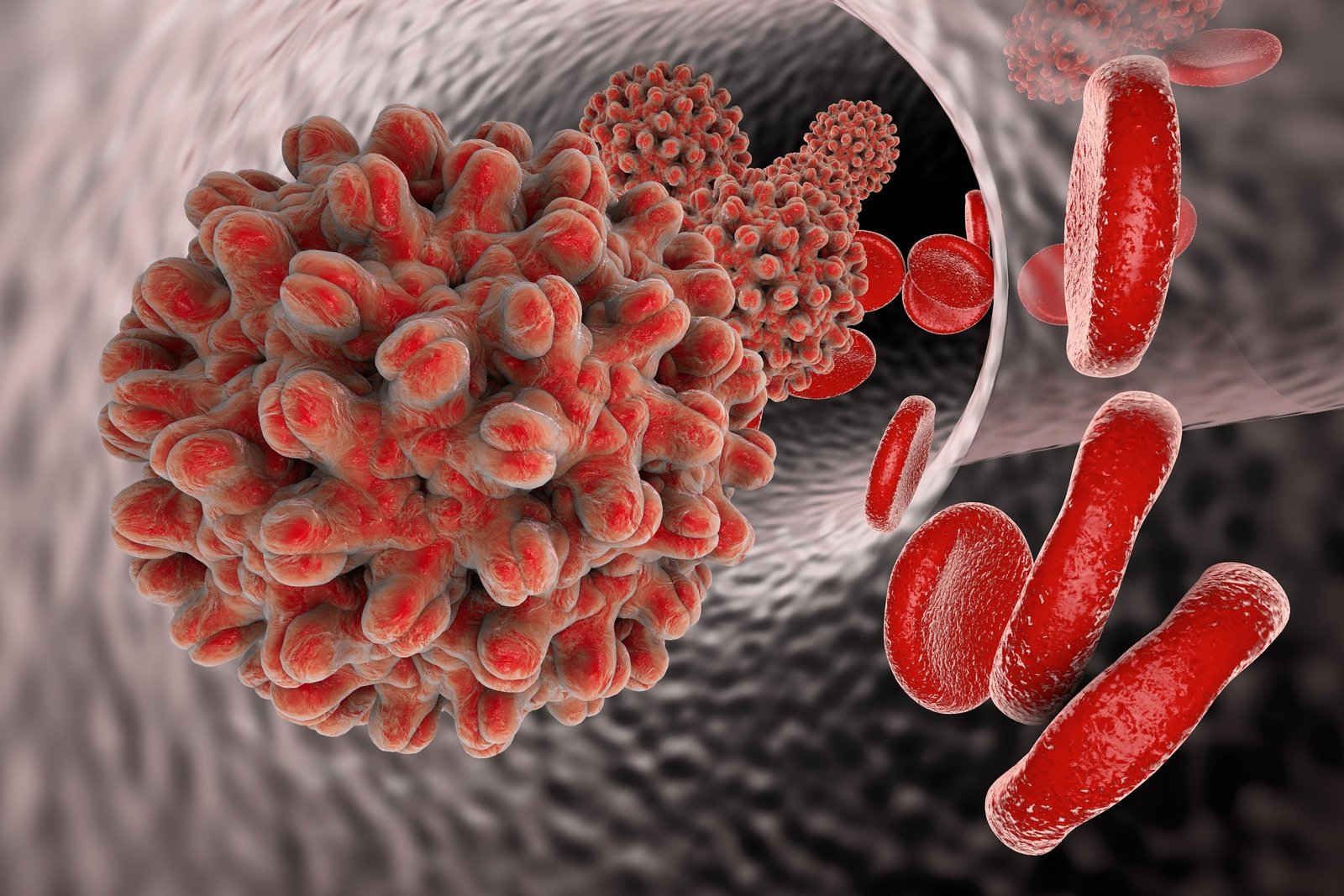
Hepatitis B is a potentially life-threatening viral infection that attacks the liver, causing inflammation and, in some cases, serious liver damage. While hepatitis B is preventable through vaccination, millions of people around the world are still affected by the disease. It’s important to be informed about its symptoms, treatment options, and ways to protect yourself and others from this virus.
What Is Hepatitis B?
Hepatitis B is a viral infection caused by the hepatitis B virus (HBV) that can cause both acute and chronic conditions. Acute hepatitis B refers to the initial phase of infection, while chronic hepatitis B occurs when the virus persists in the body for more than six months, potentially leading to liver cirrhosis, liver failure, or liver cancer.
The virus is transmitted through contact with infectious body fluids such as blood, semen, and vaginal secretions. Common ways it spreads include unprotected sexual contact, sharing needles, or from mother to child during childbirth.
Symptoms of Hepatitis B
In many cases, individuals with hepatitis B may not show any symptoms, especially during the acute phase. However, when symptoms do appear, they can vary in severity and may include:
Fatigue: Feeling unusually tired or weak is one of the most common symptoms.
Jaundice: A yellowing of the skin or eyes, which occurs when the liver is unable to process bilirubin (a substance produced when red blood cells break down).
Abdominal pain: Pain or discomfort, especially in the upper right side of the abdomen where the liver is located.
Dark urine: The urine may become darker in color due to excess bilirubin.
Loss of appetite: People with hepatitis B may not feel like eating and may experience nausea or vomiting.
Joint pain: In some cases, joint pain or muscle aches may occur.
Fever: A mild to moderate fever can develop, especially in the early stages of infection.
How Is Hepatitis B Diagnosed?
If you suspect you might have hepatitis B, it’s important to see a healthcare provider who will perform specific blood tests to confirm the presence of the virus. These tests help determine whether you have acute or chronic hepatitis B, how active the virus is, and whether liver damage has occurred.
Treatment for Hepatitis B
The treatment for hepatitis B depends on whether the infection is acute or chronic.
Acute Hepatitis B
For most people with acute hepatitis B, the infection resolves on its own without the need for antiviral treatment. However, doctors may recommend supportive care, which includes:
Rest: Giving your body time to heal is important.
Hydration: Drinking plenty of fluids helps flush the virus from the body.
Pain management: Over-the-counter pain relievers like acetaminophen (paracetamol) may be used to ease discomfort, but only under a doctor’s supervision.
In rare cases, acute hepatitis B can lead to severe liver failure, requiring hospitalization or a liver transplant.
Chronic Hepatitis B
Chronic hepatitis B requires more active management to prevent long-term liver damage. Treatments may include antiviral medications that help lower the amount of virus in the body and reduce liver damage. The most commonly used medications are:
Nucleoside or Nucleotide Analogs: These drugs work by inhibiting the virus’s ability to replicate. Examples include tenofovir, entecavir, and lamivudine.
Interferon Therapy: In some cases, interferon-alpha injections may be used to help boost the immune system’s response to the virus. However, this treatment is often associated with side effects and is typically reserved for specific cases.
It’s crucial for people with chronic hepatitis B to have regular follow-up appointments with their healthcare providers to monitor liver function and check for signs of liver damage, cirrhosis, or liver cancer.
Preventing Hepatitis B
One of the most effective ways to protect yourself from hepatitis B is through vaccination. The hepatitis B vaccine is safe and highly effective, providing long-term immunity against the virus. The vaccine is usually given as a series of three shots over a six-month period, and it's recommended for everyone, especially those at higher risk of exposure, such as healthcare workers, people who inject drugs, and individuals with multiple sexual partners.
In addition to vaccination, here are a few more preventive measures to reduce the risk of hepatitis B transmission:
Practice safe sex: Use condoms during sexual intercourse, especially with new or multiple partners.
Don’t share needles or personal items: Avoid sharing items like razors, toothbrushes, or needles that could be contaminated with blood.
Get tested: If you're at risk or plan to travel to areas where hepatitis B is common, get tested for the virus to ensure early detection and treatment.
Ensure safe blood transfusions: Blood donations are screened for hepatitis B in most countries, but it's essential to be aware of this if you're receiving blood products.
Living with Hepatitis B
For individuals living with chronic hepatitis B, adopting a healthy lifestyle is essential. This includes:
Maintaining a healthy diet: Eating nutrient-dense foods helps support liver health and overall well-being.
Avoiding alcohol: Alcohol can exacerbate liver damage, so it’s crucial to limit or completely avoid alcohol consumption.
Regular medical check-ups: Staying in touch with your healthcare provider is key for monitoring the condition and ensuring appropriate management.
Conclusion
Hepatitis B is a serious viral infection that can lead to chronic liver disease and complications if not treated properly. Early detection, appropriate medical care, and preventive measures like vaccination can help manage the disease and reduce its impact. If you are at risk for hepatitis B or suspect you might have been exposed to the virus, seek medical advice promptly to protect your health and the health of those around you.
By staying informed and taking the right steps, you can significantly reduce your chances of contracting hepatitis B and ensure a healthier future