
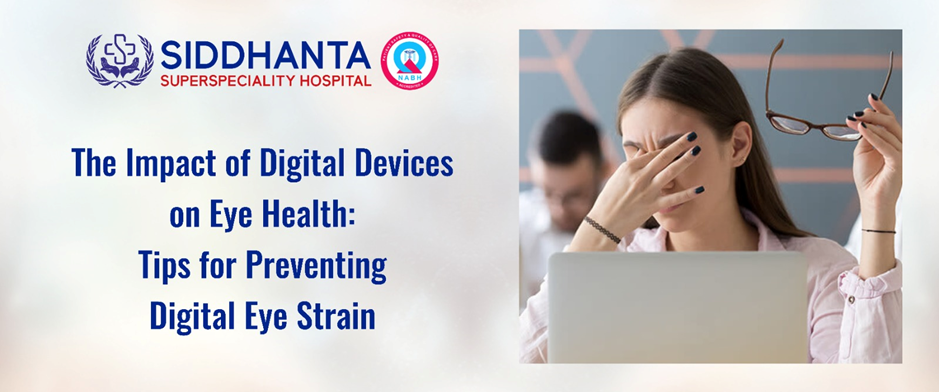
In today's digital age, many of us spend a significant amount of time using computers, smartphones, tablets, and other electronic devices. While these devices offer convenience and connectivity, prolonged screen time can take a toll on our eyes, leading to symptoms of digital eye strain.
Digital eye strain, also known as computer vision syndrome, encompasses a range of symptoms including eye fatigue, dryness, redness, blurred vision, and headaches. These symptoms arise from prolonged focusing on digital screens, increased blue light exposure, and reduced blinking rates, leading to eye discomfort and visual disturbances.
To mitigate the impact of digital devices on eye health, incorporating simple strategies into our daily routine can make a significant difference:
1. Follow the 20-20-20 rule: Take a 20-second break every 20 minutes and look at something 20 feet away to reduce eye strain and fatigue.
2. Adjust screen settings: Optimize screen brightness, contrast, and font size to minimize glare and improve readability.
3. Blink regularly: Remind yourself to blink frequently to prevent dry eyes and maintain adequate moisture on the ocular surface.
4. Use artificial tears: Lubricating eye drops can help alleviate dryness and discomfort associated with prolonged screen time.
5. Practice proper ergonomics: Position your computer screen at eye level and maintain a comfortable viewing distance to reduce neck and shoulder strain.
Furthermore, investing in blue light-blocking glasses or screen filters can help reduce exposure to harmful blue light emitted by digital screens, potentially alleviating symptoms of digital eye strain.
In conclusion, while digital devices have become integral to our daily lives, it's essential to prioritize eye health and take proactive steps to prevent digital eye strain. By incorporating simple habits and ergonomic adjustments into our routine, we can minimize eye discomfort and preserve long-term vision health in the digital age