
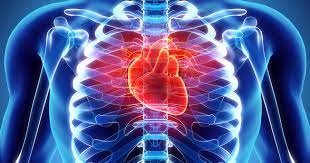
Cardiovascular disease (CVD) encompasses a range of conditions affecting the heart and blood vessels. It's a leading cause of death worldwide, necessitating awareness of its types, causes, and symptoms.
Types of Cardiovascular Disease:
Coronary Artery Disease (CAD): The most common type, CAD occurs when the arteries supplying blood to the heart muscle become narrowed or blocked due to plaque buildup. This can lead to angina (chest pain) or heart attacks.
Heart Failure: A condition where the heart is unable to pump blood effectively, leading to fatigue, shortness of breath, and fluid retention.
Arrhythmias: Irregular heartbeats that can cause palpitations, dizziness, or fainting. Some arrhythmias are benign, while others can be life-threatening.
Peripheral Artery Disease (PAD): Affects the arteries in the limbs, often leading to pain and cramping in the legs due to reduced blood flow.
Stroke: Occurs when the blood supply to part of the brain is interrupted or reduced, depriving brain tissue of oxygen and nutrients.
Causes of Cardiovascular Disease:
Atherosclerosis: The buildup of fats, cholesterol, and other substances in and on the artery walls.
High Blood Pressure: Can damage blood vessels and lead to heart disease.
Smoking: Contributes to the buildup of plaque in arteries.
Diabetes: Increases the risk of heart disease.
Obesity: Leads to other risk factors such as high blood pressure, diabetes, and high cholesterol.
Physical Inactivity: Contributes to the development of CVD.
Unhealthy Diet: High in saturated fats, trans fats, cholesterol, and sodium.
Symptoms of Cardiovascular Disease:
Chest Pain: Often a sign of CAD or heart attack.
Shortness of Breath: Can indicate heart failure or other CVD.
Pain, Numbness, Weakness, or Coldness in the Legs or Arms: Indicative of PAD.
Fluttering in the Chest: A symptom of arrhythmia.
Sudden Numbness or Weakness in the Face, Arm, or Leg: A potential sign of stroke.
Awareness and proactive management of these risk factors can significantly reduce the incidence and impact of cardiovascular disease. Regular check-ups, a healthy diet, physical activity, and avoiding smoking are crucial preventive measures.