
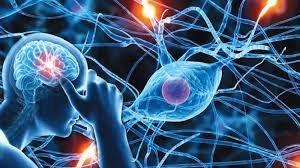
Epilepsy is a neurological disorder characterized by recurrent, unprovoked seizures. A seizure is a sudden surge of electrical activity in the brain that can affect behavior, movements, and consciousness.
Causes of Epilepsy:
Genetic Factors: Some types of epilepsy run in families, suggesting a genetic component.
Head Trauma: Injuries from accidents can lead to epilepsy.
Brain Conditions: Brain tumors, strokes, and other conditions that damage the brain can cause epilepsy.
Infectious Diseases: Meningitis, HIV, and viral encephalitis can trigger epilepsy.
Prenatal Injury: Brain damage before birth, such as from an infection in the mother, poor nutrition, or oxygen deficiencies, can result in epilepsy.
Developmental Disorders: Autism and neurofibromatosis are examples of disorders linked to epilepsy.
Symptoms of Epilepsy:
Seizures: The main symptom, which varies in type and severity. Seizures can manifest as:
Focal Seizures: Affect one part of the brain, causing symptoms like altered consciousness, jerking movements in one part of the body, and sensory disturbances.
Generalized Seizures: Affect both sides of the brain, including absence seizures (brief loss of consciousness), tonic-clonic seizures (loss of consciousness, convulsions), and atonic seizures (sudden loss of muscle tone).
Temporary Confusion: Often follows a seizure.
Staring Spells: Common in absence seizures.
Uncontrolled Jerking Movements: Usually of the arms and legs.
Loss of Consciousness or Awareness: Especially in generalized seizures.
Psychic Symptoms: Fear, anxiety, or déjà vu.
Diagnosis of Epilepsy:
Medical History and Neurological Exam: Essential first steps.
Electroencephalogram (EEG): Measures electrical activity in the brain and can identify abnormal patterns.
Imaging Tests: MRI or CT scans to detect structural abnormalities or lesions in the brain.
Blood Tests: To identify underlying conditions that might be causing seizures.
Treatment of Epilepsy:
Medications: Anti-epileptic drugs (AEDs) are the primary treatment to control seizures. The choice of medication depends on the type of epilepsy and the patient's overall health.
Surgery: For patients who do not respond to medication, surgery to remove the part of the brain causing seizures might be an option.
Therapies: Vagus nerve stimulation, responsive neurostimulation, or deep brain stimulation can help manage seizures.
Dietary Changes: The ketogenic diet, high in fats and low in carbohydrates, can help control seizures in some people.
Lifestyle Modifications: Regular sleep, stress management, and avoiding seizure triggers are essential.
Epilepsy is a complex disorder that requires individualized care. With appropriate treatment and management, many people with epilepsy can lead full and active lives.