Common Diseases During Rainy Season & How to Stay Protected
Discover the most common diseases during rainy season, their symptoms, and prevention tips. Stay safe and healthy this monsoon with expert advice from Siddhanta Superspeciality Hospital.
The rainy season brings much-needed relief from the summer heat, but it also creates a breeding ground for several infections and illnesses. With increased humidity, waterlogging, and mosquito growth, people are more vulnerable to diseases during rainy season. At Siddhanta Superspeciality Hospital, our priority is to keep you and your loved ones safe. Here’s a detailed look at the most common monsoon-related illnesses and how you can prevent them.
1. Mosquito-Borne Diseases
Rainwater accumulation increases mosquito breeding, leading to infections such as:
• Dengue – High fever, joint pain, rashes.
• Malaria – Chills, sweating, headaches, muscle pain.
• Chikungunya – Severe joint pain, rashes, and fever.
Prevention Tips:
✔️ Use mosquito repellents and nets.
✔️ Avoid stagnant water near your home.
✔️ Wear full-sleeved clothes.
2. Waterborne Diseases
Contaminated water is a major health risk during the rainy season. Common ones include:
• Cholera – Severe diarrhea and dehydration.
• Typhoid – Persistent fever, weakness, abdominal pain.
• Hepatitis A & E – Jaundice, fatigue, nausea.
Prevention Tips:
✔️ Drink only boiled or filtered water.
✔️ Avoid roadside food and raw salads.
✔️ Maintain proper hand hygiene.
3. Viral Infections
With fluctuating weather, viral infections spread easily.
• Cold & Flu – Runny nose, cough, sore throat.
• Viral Fever – Sudden fever, body ache, headache.
Prevention Tips:
✔️ Eat a balanced diet rich in Vitamin C.
✔️ Get enough rest and hydration.
✔️ Avoid close contact with sick individuals.
4. Fungal Infections
Humidity makes skin infections more common.
• Ringworm & Athlete’s Foot – Itchy, red, and scaly patches.
Prevention Tips:
✔️ Keep your skin dry and clean.
✔️ Avoid sharing towels or personal items.
✔️ Wear breathable cotton clothes.
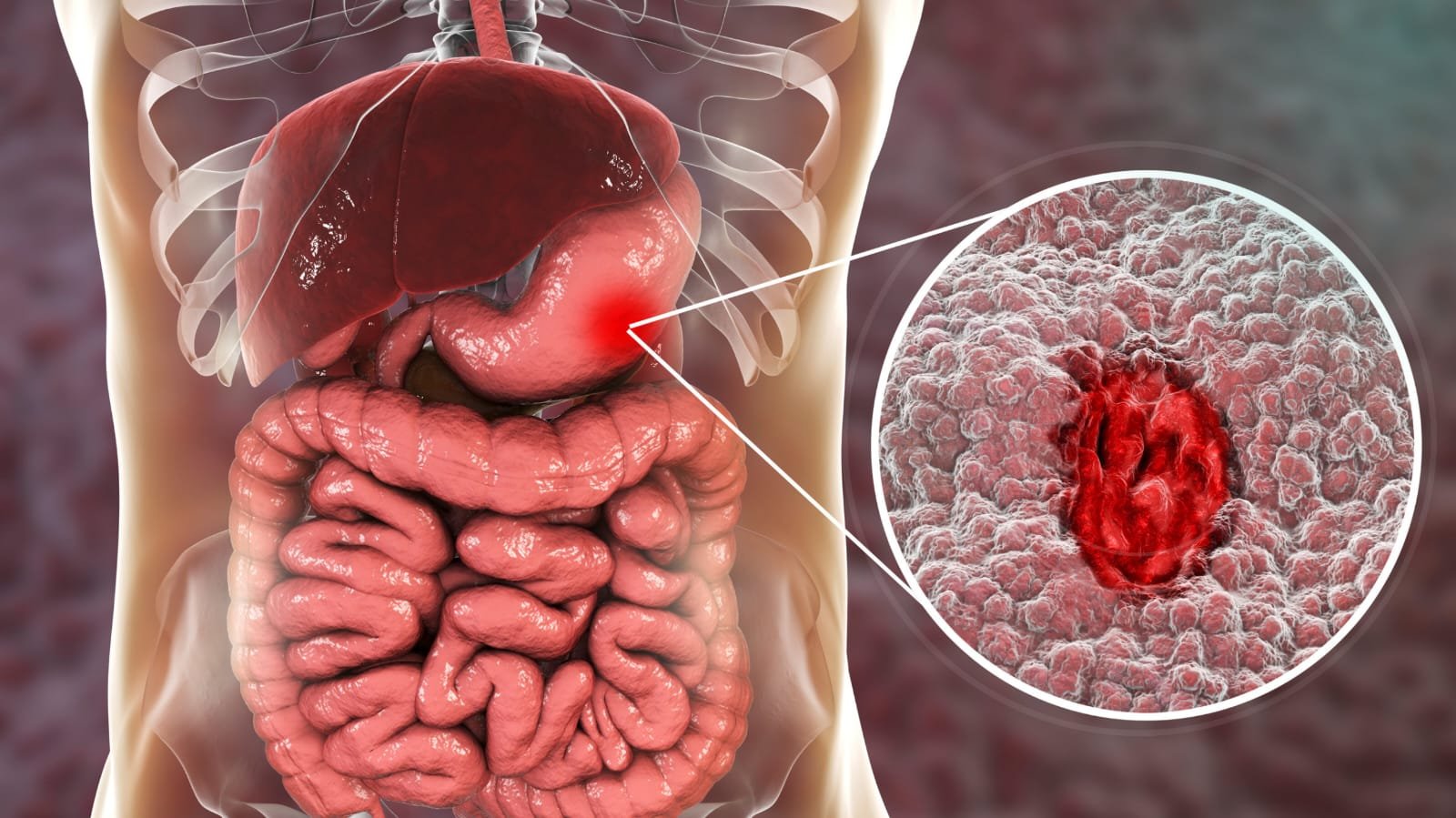
5. Stomach Infections
Eating contaminated food can cause:
• Food Poisoning – Vomiting, stomach cramps, diarrhea.
Prevention Tips:
✔️ Eat freshly prepared meals.
✔️ Wash fruits and vegetables thoroughly.
✔️ Avoid oily and roadside food.
When to Seek Medical Help?
If you experience persistent fever, severe dehydration, breathing difficulty, or unusual symptoms, consult a doctor immediately. Early diagnosis and treatment can save lives.
At [Your Hospital Name], our expert doctors are available 24/7 to provide the best care during the rainy season.
FAQs About Rainy Season Diseases
Q1. Why do diseases spread more during rainy season?
Because stagnant water, high humidity, and poor sanitation increase the risk of infections.
Q2. How can I boost my immunity in monsoon?
Eat fresh fruits, drink warm water, get enough sleep, and exercise regularly.
Q3. Can children be more vulnerable during rainy season?
Yes, kids have weaker immunity, so they must be protected from mosquito bites and unhygienic food.
Q4. What’s the best home remedy for seasonal flu?
Ginger tea, honey, and steam inhalation can relieve mild symptoms—but see a doctor if fever persists.
Q5. Should I get vaccinated for monsoon diseases?
Yes, vaccines for Hepatitis A, Typhoid, and Influenza are recommended.
Q6. How do I know if a fever is serious?
If fever is above 102°F, lasts more than 3 days, or is associated with rashes, bleeding, or severe weakness, consult a doctor immediately.
Conclusion
The rainy season, while refreshing, brings with it a host of health risks. By following simple hygiene practices, eating safe food, and taking preventive measures, you can keep yourself and your family safe.
Last updated August 23rd, 2025